+38631 383 325


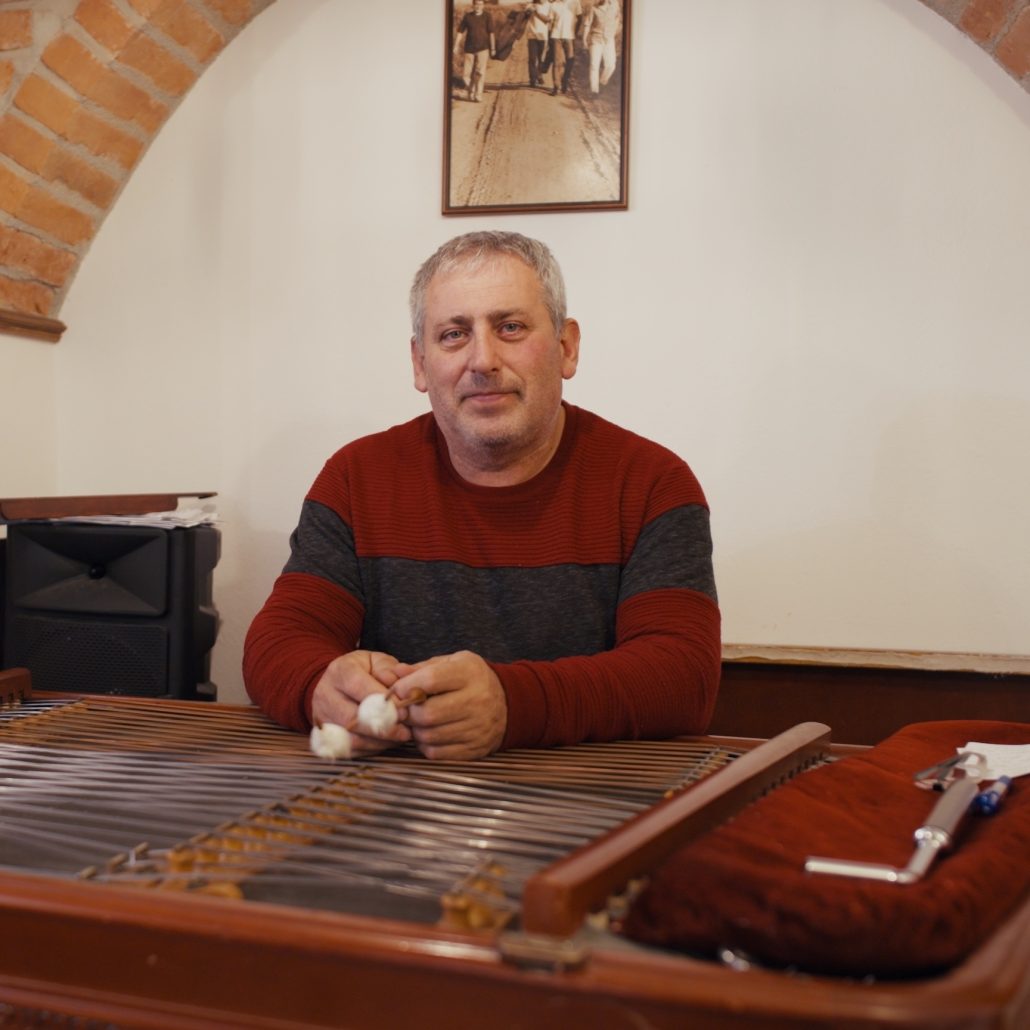
I am happy to share a new project I’ve been working on in collaboration with the Institute of Ethnomusicology at The Research Centre of the Slovenian Academy of Sciences and Arts (Glasbenonarodopisni inštitut ZRC SAZU), funded by the Ministry of Culture of the Republic of Slovenia.
Sounds of the Past – Voices of the Present (Sl: Zvoki preteklosti — glasovi sodobnosti) is a field recording and video archive documenting contemporary interpreters of Slovenian folk music — from traditional practitioners to musicians working in the neo-folk and world music idiom. The aim is to create a high-quality audiovisual database that, through sound and image, reveals the diversity of how folk music lives and transforms in Slovenia today.
The archive currently features recordings of eight artists and ensembles captured in field sessions: Andi Sobočan, Cintare, Ljoba Jenče, Zingelci, Vruja, Volk Folk, Bogdana Herman & Jure Tori, and Trstenke.
Author: Andrej Kocan, Editor: Mojca Kovačič
ADDITIONAL RECORDINGS FROM THE FIELD
Beyond the ZRC SAZU archive, the project also produced a number of recordings available on YouTube.
Kačis
Vesolje nikoli ne razlaga zakaj / The Universe Never Explains Why
Kačis is a trio of Ana Kravanja, Samo Kutin, and Tea Vidmar whose paths converge in folk music and free improvisation. Ana and Tea dedicate themselves to repetitive rhythmic singing built from simple voices, syllables, and breathing — reminiscent of folk traditions from around the world — while their intertwining voices create the sensation of a third, emergent voice. The trio’s central interest lies in the transition between the modern sounds of free improvisation and the archaic character of melodies and voices of unknown origin. This performance was recorded in a cave — a natural cathedral that diminished the performers in space while amplifying their sound, and where the piece was performed only once.
Samo Kutin
Bitja z maskami gredo čez gorsko sedlo & Presvetljenje / Hyperlumination
Samo Kutin is a self-taught sound researcher, instrument maker, and one of the most prominent improvisers on the Slovenian scene, known for working with unconventional instruments — those that have disappeared from everyday use, or ones he builds himself. His music fuses folk music and minimalistic patterns into organically alive, unique soundscapes. Though the hurdy gurdy may seem foreign to Slovenian ears, related instruments have been present in Central European folk traditions for centuries, and Kutin’s work reactivates that buried memory — placing it squarely in the contemporary experimental field.
Further recordings will be added as the project continues.